
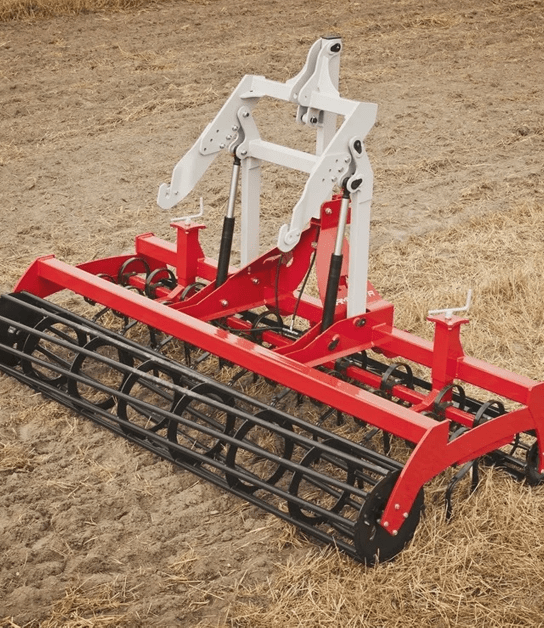
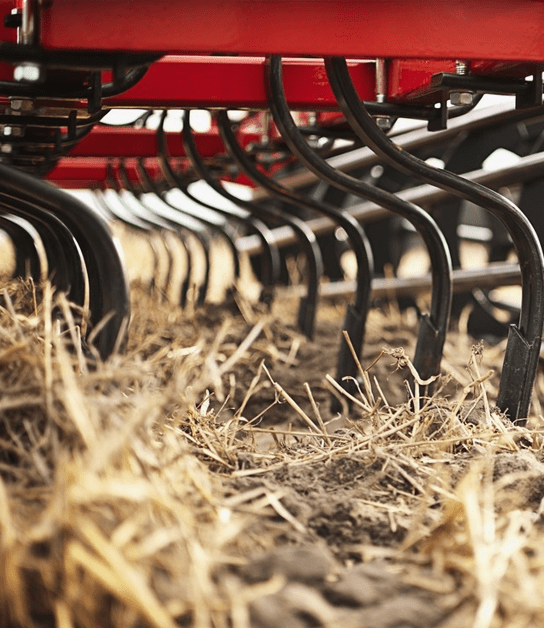
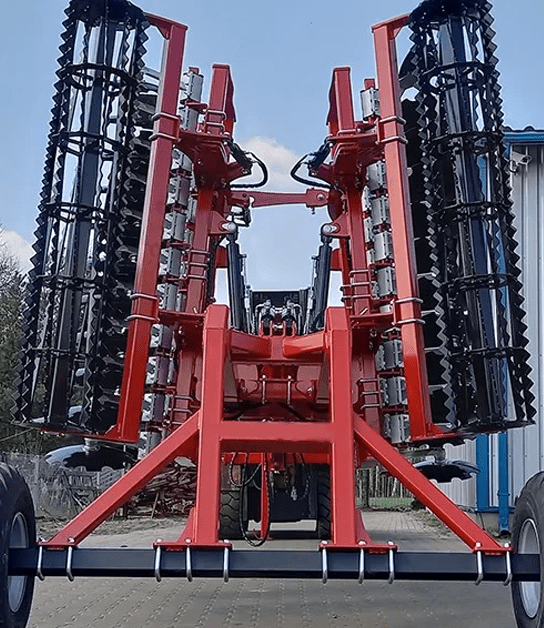

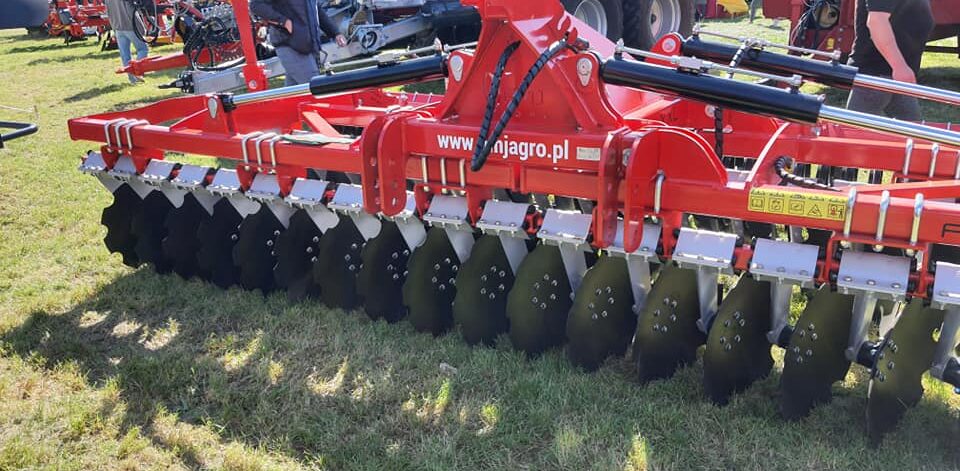
Disc harrows and tillage differ in their impact on soil, labor costs, and cultivation speed. The choice of method depends on field conditions and the purpose of the treatment.
How does reduced tillage affect the soil microbiome?
Reduced tillage limits soil impact, supports the microbiome and earthworms, and improves structure and water retention. How does it work?
What are the benefits of replacing the plough with a disc harrow?
Moving away from plowing (ploughing) is a conscious step towards more efficient, profitable and soil-friendly agriculture.
How does no-till farming work and why is it gaining popularity?
Farmers who choose no-till solutions see real results: better soil quality, lower cultivation costs and more predictable yields.
No-tillage units vs. plowing – which works better in the field?
We compare tillage and no-till. See how no-till units are changing the approach to farming and why you should consider PORTO 3.0.
No-tillage units – reliable machines for reduced tillage
No-till farming with the right machinery brings benefits to farmers. By choosing no-till units, you can increase production efficiency
How to approach cultivation and soil preparation?
Today, farm management is inextricably linked to the use of advanced technologies, including agricultural machinery.
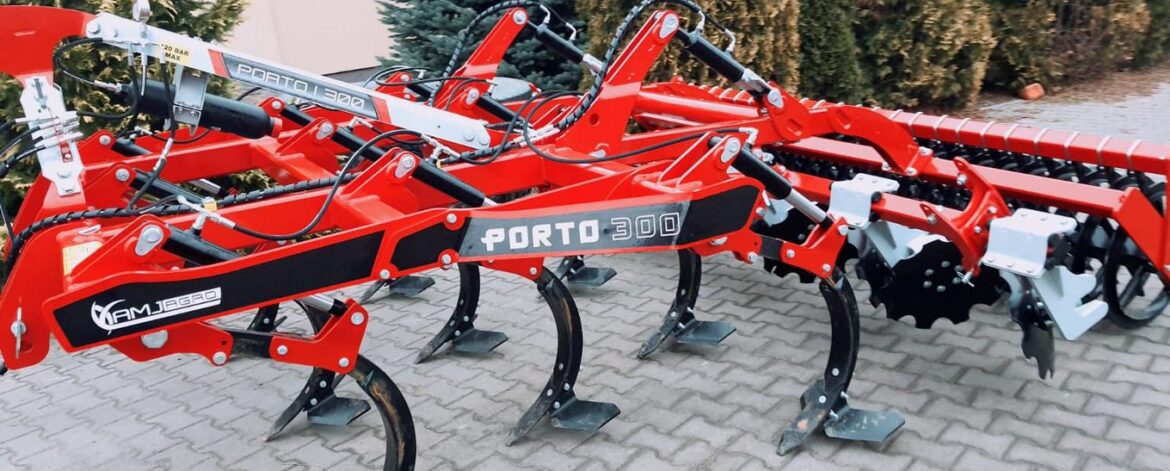
What is worth knowing about no-till farming?
No-till farming offers many benefits for agriculture, but requires conscious management and adaptation to specific soil conditions.
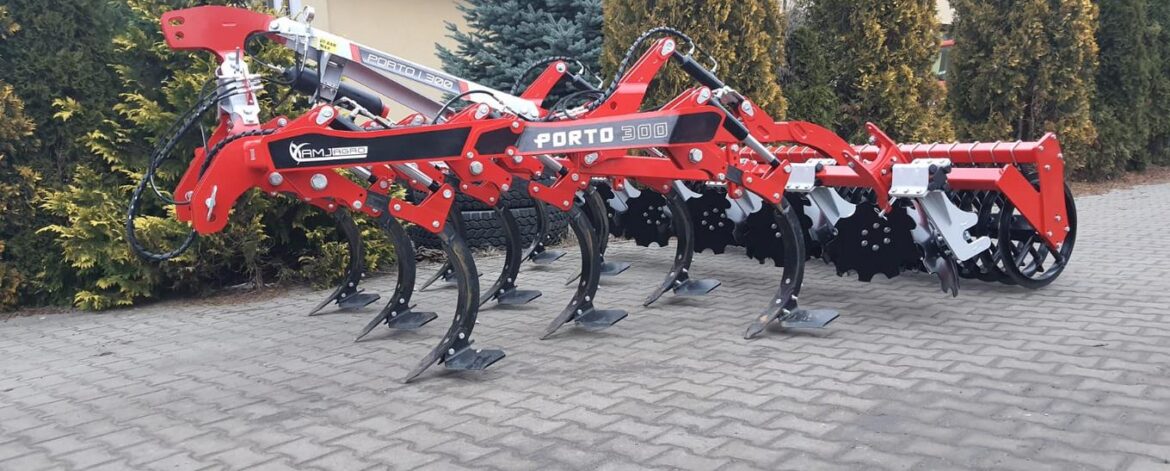
How to cultivate without plowing?
Switching to reduced tillage is a step towards more sustainable and effective agriculture. Choose the right machines for this method.
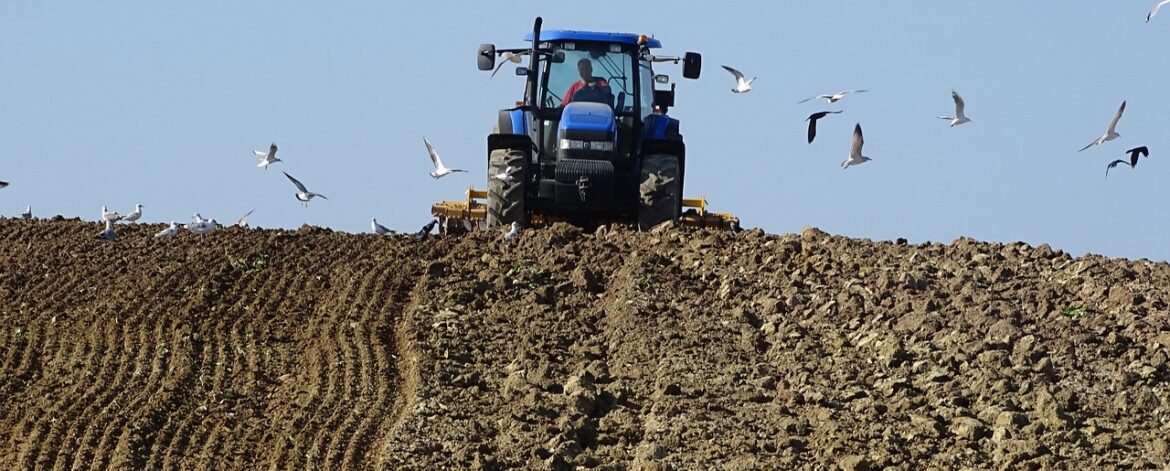
Soil tillage: is it worth using the plowing or no-till method?
The comparison of tillage and no-tillage is an important topic in agriculture, regarding the differences in farming methods. Check here what makes them different.